Phone:
416 830 8854
Whatsapp:
416 830 8854

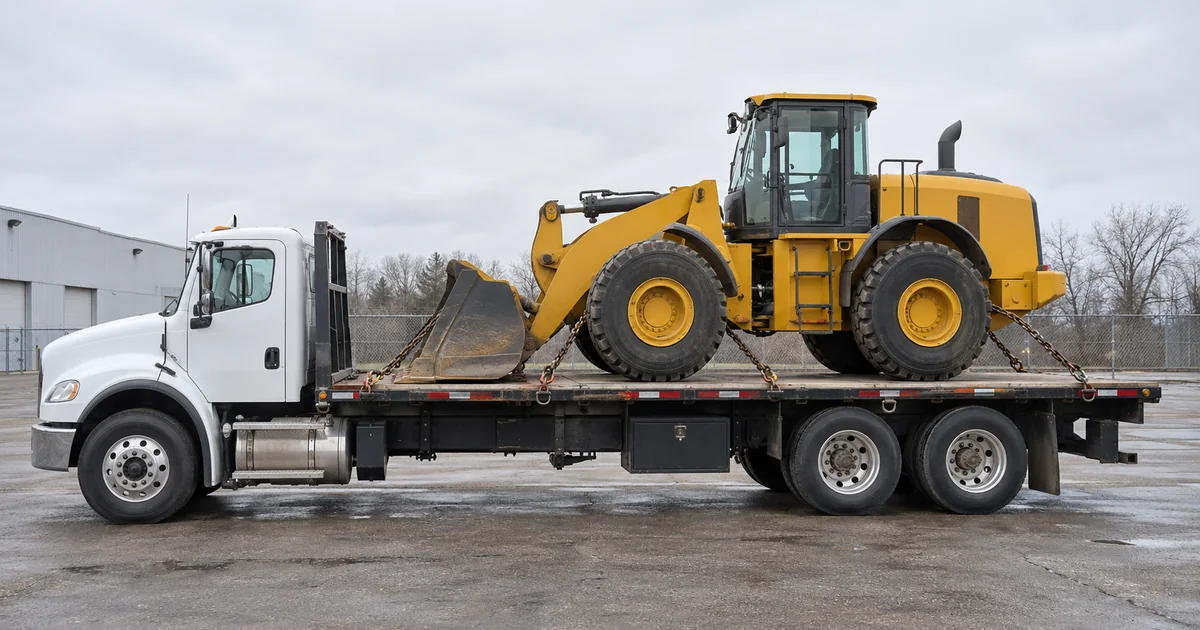
Float, Tilt Deck or Flatbed?
Heavy equipment towing Toronto contractors ask for usually comes down to one choice: which trailer should carry the machine? A skid steer, an excavator and a generator are all “equipment”, but each loads, rides and unloads differently.
This guide helps you match the machine to the trailer, get it out of a tight city site and give dispatch what it needs for a quote.
GTA Flatbed Towing & Float Services moves equipment across Toronto and beyond; call 416-830-8854 if you would rather talk a move through.
float, tilt deck or flatbed
Each trailer solves a different problem, so start with how the machine gets on and off.

The decision rests on the machine’s height, weight and whether it drives. Dispatch confirms the final choice per job.
skid steers, loaders, excavators, forklifts, scissor lifts, generators
Use this as a starting point, not a final answer. Exact weights and dimensions are confirmed with you when you call.
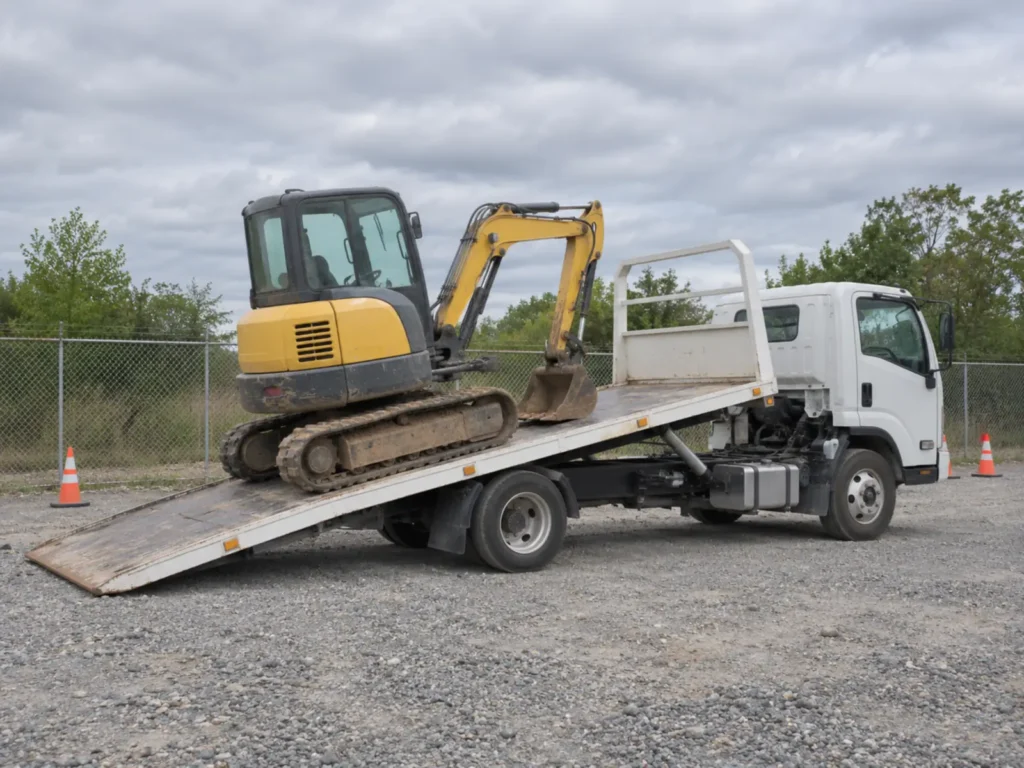
Our tilt and load machinery moving page explains the tilt deck in more detail, and you can review what we can move on the capabilities page. Machines that will not start can still be moved, since a winch pulls them up the deck.
alleys, slopes, soft ground, low clearance
Toronto’s job sites are rarely open fields. The trailer is often the easy part, and getting to it is the hard one.
Before the truck leaves, check the city’s Toronto road restrictions page for closures that affect your route. If the job needs a lane or a curb for loading, ask whether the site requires a permit or traffic control.
A quote is only as accurate as the description. Heavy equipment moves are priced per job, with no standard weight bands, so the details matter. Have these ready:
A photo of the machine and the loading area helps a great deal. When you are ready, request a heavy equipment quote with that information, or call dispatch and describe it.
Roadwork and closures are part of Toronto life, and a move can fail because a street is closed that morning. Check the restrictions for the day of the move, and tell the dispatcher about any work zone near either end.
How the machine is held on the trailer is a separate matter, covered in our guide to how equipment is chained down. In short, chains and binders attach at rated points on the machine, and the carrier follows Ontario Regulation 363/04 on securing loads.
nearby cities and beyond
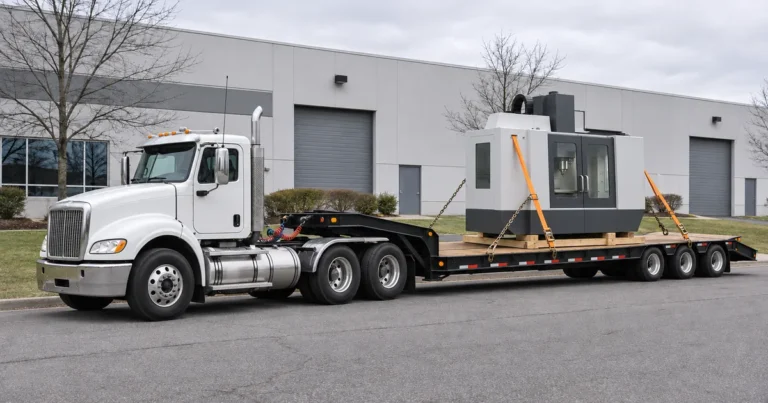
Most Toronto equipment jobs run to neighbouring cities, such as Mississauga, Brampton, Vaughan and Markham, and longer moves across Ontario are available on request. If your machine is a precision unit, such as a CNC mill, see our notes on plant and CNC machinery moves, which deal with planning, protection and handover.
Whatever the machine, tell us what it is, where it is and where it needs to go. Call or WhatsApp 416-830-8854, 24/7, and we will confirm the trailer and the price before dispatch.