Phone:
416 830 8854
Whatsapp:
416 830 8854

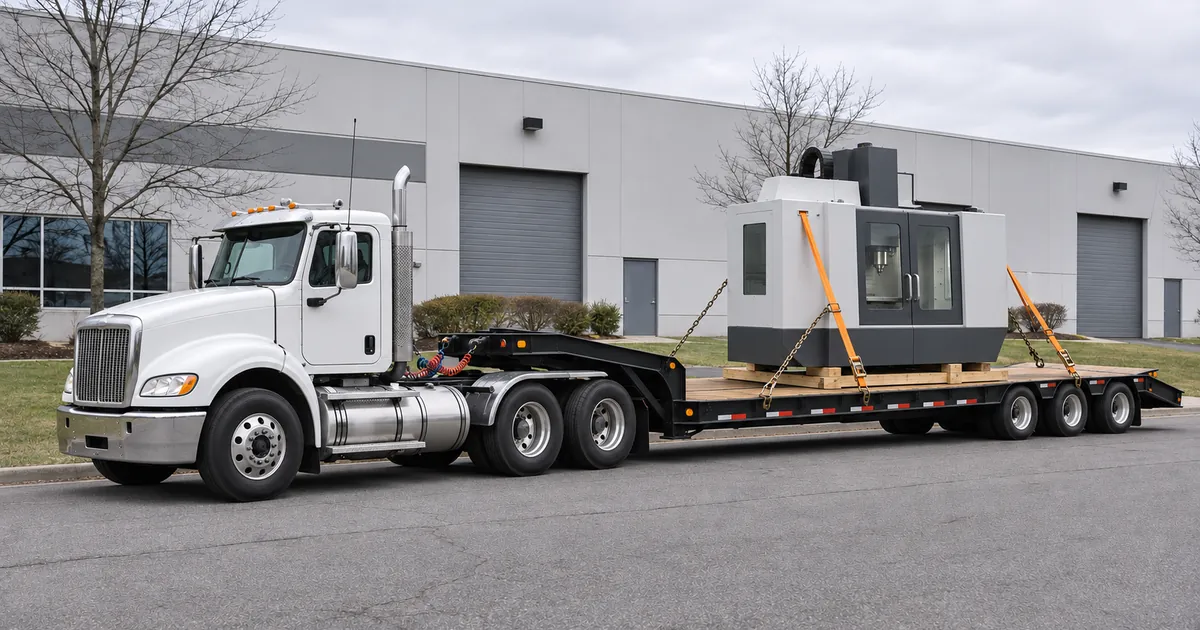
A CNC mill, a lab instrument or a packaging line is not a pallet of boxes. It is a machine that was levelled, aligned and calibrated to work to tight tolerances, and the way it is moved decides whether it works the same on the other side. This guide is for the plant manager or facilities planner arranging machinery transport Markham businesses depend on, and it follows the move from the first site walk to the handover. GTA Flatbed Towing & Float Services transports the machine, and each move is planned per job.
what a precision move involves
A precision move has more steps than a standard haul, and most of the work happens before the truck is booked.
Someone has to decide how the machine leaves the building, how it is protected, which trailer carries it and who signs off on its condition at both ends.
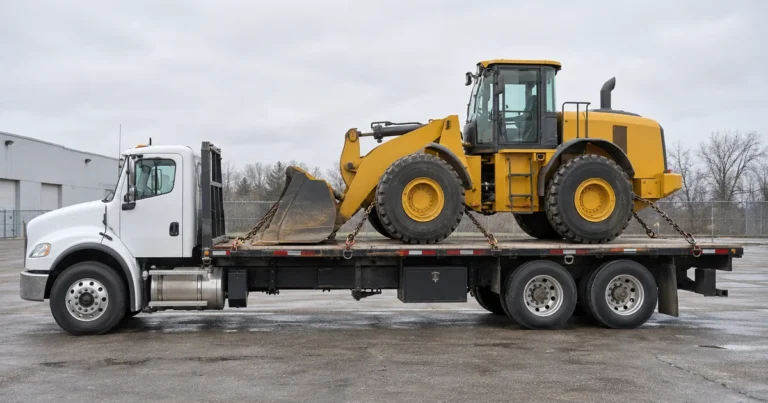
Our float services for heavy equipment handle machines that sit on a low trailer, and tilt decks suit lighter ones. Whichever applies, the planning questions are the same: how big is the machine, how is it built to be lifted, and what must not be disturbed? Also ask any carrier about its CVOR registration and its cargo insurance. We carry commercial cargo and liability insurance.
Walk the route yourself, from the machine’s current spot to the truck, before anyone is booked. Most failed moves are lost on the inside, not on the road. The move inside the building is arranged with you, or with your own rigger or millwright, before pickup; we transport the machine from the loading point.
Photograph each of these points. The photos help the dispatcher choose a trailer and help your team afterwards if anything looks different.
A machine should leave its spot as a single, stable unit. For a CNC machine that usually means a steel or wooden skid under the base, locked axes and tooling removed. Lab and packaging equipment may be crated or wrapped, depending on the maker’s guidance. Follow the manufacturer’s manual for lift points and lock-down procedures, and let the manufacturer’s own technician do the disconnect if the warranty depends on it.
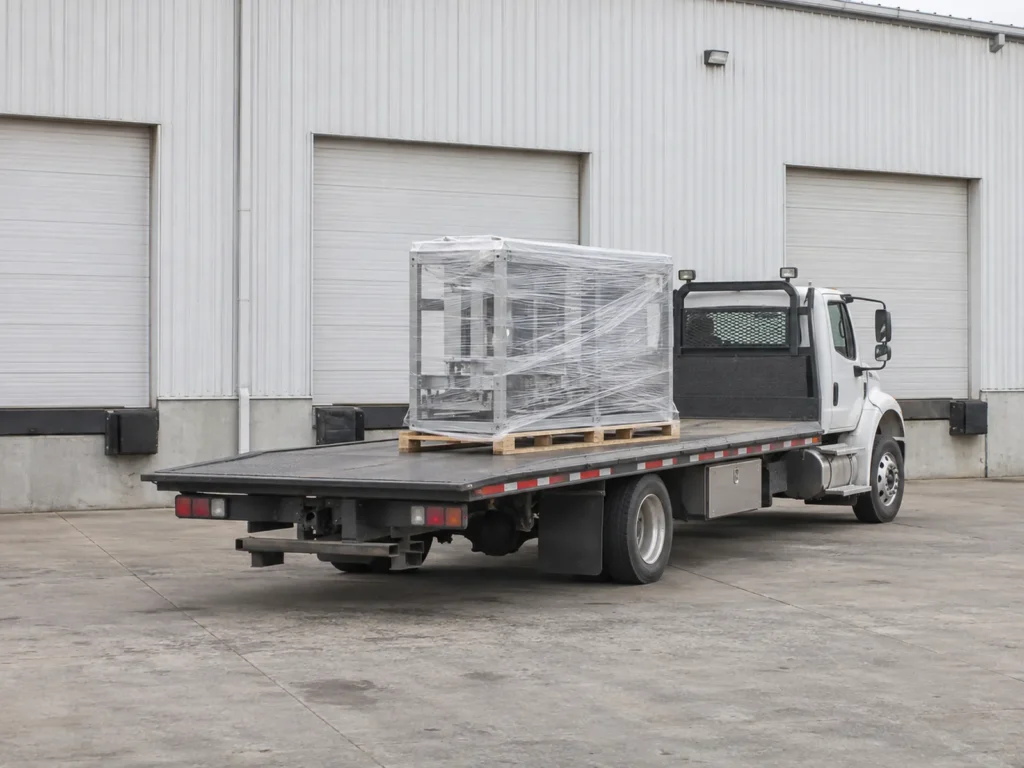
Once the machine is skidded, the trailer comes next. Our guide on which trailer suits your machine compares float, tilt deck and flatbed. Our tilt and load machinery moving uses a deck that lowers to the ground so machines that roll or sit on a skid can be winched on; the method is confirmed per job. You can see the float trailers and tilt decks in our fleet and ask about capabilities for your machine. Pricing for these moves is quoted per job, so describe the machine rather than guessing a rate.
Calibration is lost to vibration and shifting, not to distance. Three habits protect it:
The goal is a machine that arrives in the position it left. After placement, your own technician should check levelling and alignment, because that part of the job belongs to your machine’s maker, not to the carrier. See our service areas for the cities where we handle these moves.
Treat handover as a two-part signature. At pickup, walk around the machine with the driver and note every existing scratch, dent or leak. Take photos. At delivery, repeat the walk before the load is released.
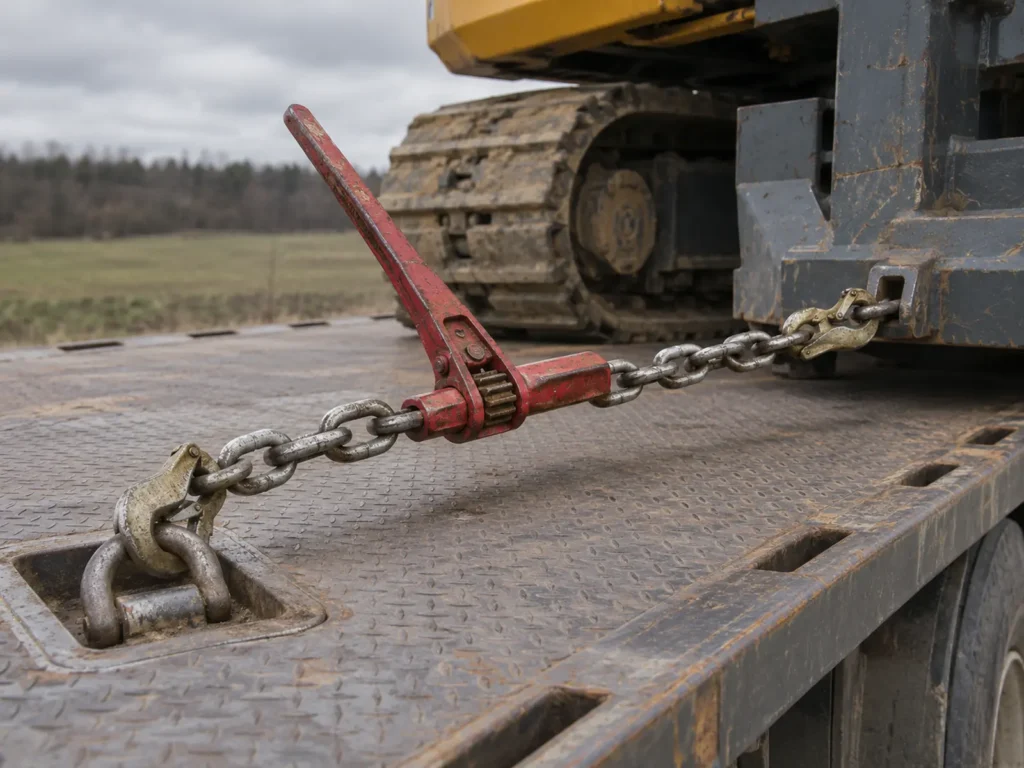
Securement is the responsibility of the driver and the operator, and it follows Ontario Regulation 363/04, Security of Loads and National Safety Code Standard 10 (cargo securement). For a closer look at tie-down gear, read about how the load is chained down. Before departure, the driver should confirm each chain, binder and strap, and again after the first stretch of road.
Raise any new mark or shift before you sign. It is far easier to resolve on the dock than a week later.
At most industrial sites the last few metres decide the schedule, not the drive. Confirm dock hours, security procedures, who will open the gate and where a long trailer can turn. If the move depends on a building’s quiet hours or a shutdown window, tell dispatch up front so the truck is booked to match.
The first call should cover the machine’s make, model and approximate size, and both addresses. You can request a machinery transport quote or reach dispatch on 416-830-8854, 24/7.