Phone:
416 830 8854
Whatsapp:
416 830 8854

A Fleet Manager’s Guide to Downtime
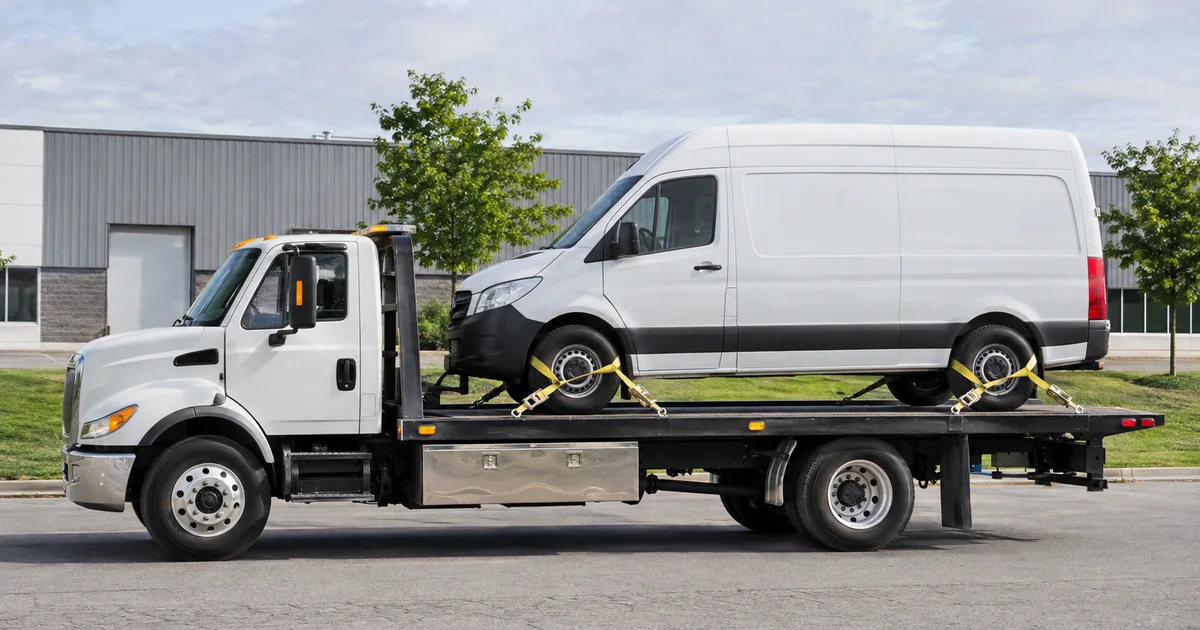
When a delivery van stops, the cost is not the tow. It is the missed stops, the idle driver and the customers waiting.
Commercial towing Toronto fleets rely on is judged by how quickly a stalled unit is back in service, and that depends as much on your preparation as on the truck.
This guide is for fleet and operations managers. It covers what to set up in advance, how mixed vehicles are carried and how to shorten the gap between a breakdown and a repair.
Fleet needs are discussed on the call with GTA Flatbed Towing & Float Services, and nothing here is a fixed programme.
what fleets need from a towing partner
A fleet needs three things from a towing partner: reach, consistency and clear paperwork. Reach means a truck that can get to a stalled unit anywhere on your routes. Consistency means the same standard of care on a Tuesday morning as on a Saturday night. Clear paperwork means you can match every tow to a unit and an invoice.
Our flatbed towing carries the whole vehicle on its deck, so axles and drivetrains stay untouched, which is what a fleet wants to avoid paying twice for. Ontario’s towing and vehicle storage requirements set the rules any partner must follow, so check them when you choose one. We have operated since 2015 and work with 150+ clients.
Fleet towing
Most fleets are not one vehicle type. A typical yard has cargo vans, pickups, box trucks and a few cars, and each one loads a little differently.
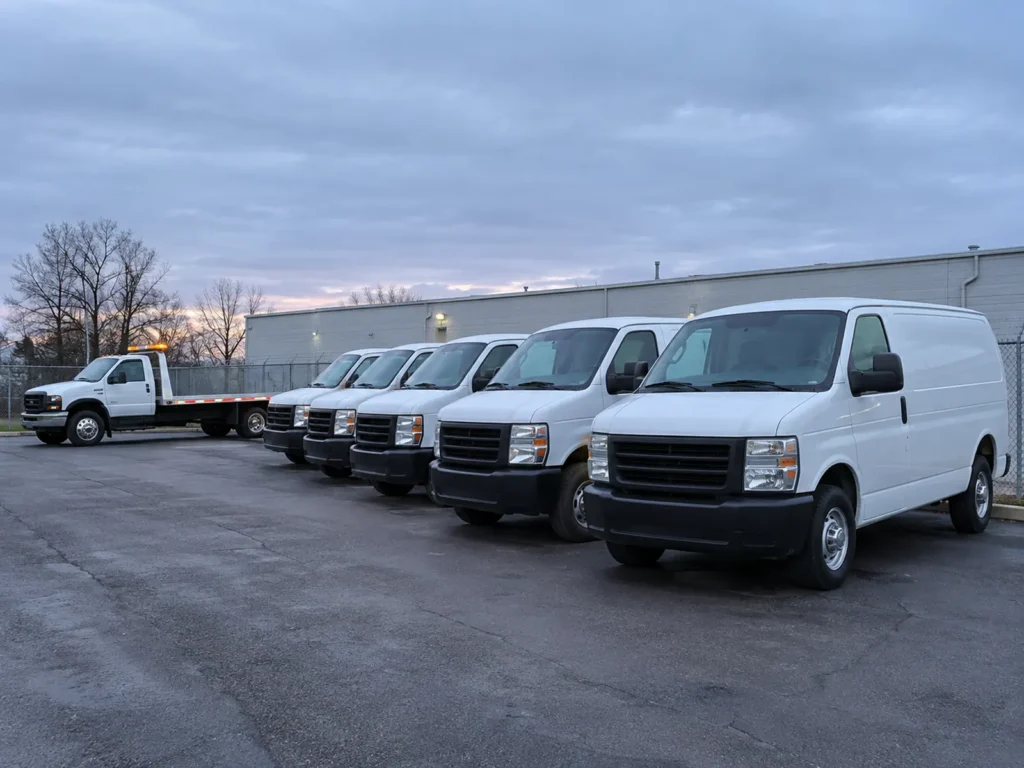
Give the make, model and condition of each unit when you call. Larger trucks are confirmed per job, and we do not operate heavy wreckers or rotators, so recoveries of big trucks and buses are not part of this service. Vehicles with locked or missing wheels can still be loaded.
unit list and drop off locations
contacts, unit list and drop off locations
Time is lost on the first call, not the tenth, so a fleet manager should have a short sheet ready before any breakdown happens.
You can talk through your fleet needs with us before you need a tow, and we confirm how we can help.
dispatch steps and what to record after a tow
The fastest tow starts with a clear call from one named person at your company.
After each tow, record the pickup time and the drop-off time, and keep the itemized invoice against the unit. Compare them with your own log. Over a few weeks the pattern shows where time is lost, and whether the cause is a slow call, a long drive or a bay that was not ready. For urgent calls, our emergency towing page explains how dispatch handles them.
The receiving shop should know the unit is arriving before the truck gets there. A vehicle waiting in a yard is downtime too.
More fleets now include electric vans and all wheel drive models, and these should not be towed with their drive wheels rolling unless the maker’s manual allows it. An EV has no mechanical neutral, so a wheel down tow can damage the drive system. A flatbed avoids the problem by lifting every wheel off the road.
Mark EV and AWD units on your own list so you can say so straight away and a flatbed is sent. Our guide to EV towing explains why this matters and what to tell the dispatcher about charge state and transport mode.
Fleet work falls into two kinds. Planned moves, such as taking several vans to a service appointment or relocating a unit to a new yard, can be scheduled together to save trips. Urgent calls cannot, and they can come at any hour, on a highway or a downtown side street.

For both, the route matters. Check the city’s Toronto road restrictions for closures that affect a planned move. Our service areas page lists where we work.
Local tows start at a $150 hook-up fee plus $5 per kilometre, and any extras are confirmed before dispatch. Ring 416-830-8854, 24/7, and tell us how your vehicles are used.